Bakery & Pastry
Standard Bakery & Pastry Workshop
WITH PROFESSIONAL EQUIPMENT

Back to previous page
A bakery department is cost-effective, employment-focused, and educationally sound. It equips students with tangible skills, supports local labor needs, generates income, and enhances the technical vocational school’s relevance to both students and the community.
1. Strong Alignment with Vocational Education Goals
2. High and Stable Labor Market Demand
3. Clear Career Pathways for Students
4. Revenue-Generating Training Model
5. Development of Transferable Skills
6. Inclusive and Engaging Learning Environment
7. Strong Community Integration
8. Scalability and Cross-Department Collaboration
A bakery workshop is part of Hospitality or culinary programs, Agriculture or food science tracks, but it can be runned as an fully independent sub-department.
DMH offers in combiantion with the full high quality equipment a bakery didactical program that is production-realistic, competency-driven, and modular.
It mirrors professional bakery environments while remaining pedagogically structured, ensuring students learn why, how, and under what conditions baking works.
Didactical Concept – Bakery Program
-> Practice-first training in a real bakery environment
-> Stepwise skill development from basics to independent production
-> Theory embedded in practice (hygiene, fermentation, costing)
-> Competency-based assessment aligned with industry standards
-> Direct pathway to employment through certification and work experience
The entire program extends over a minimum of two years, but typically lasts three years of training.
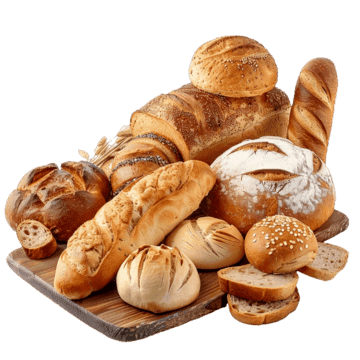
Graduates can run a bakery production line, producing bread, viennoiserie, and simple pastries independently, safely, and to commercial quality standards.
The workshop is designed for a group of 18 to 24 students

Practical training Curriculum (what is that?)
for BAKERY & PASTRY
included as an Integral component of every workshop.
(Each curriculum is individually adapted to the specific requirements of the workshop.)
-> + 24 months full time training
-> + 1.500 hours hands-on working time
-> + 25 modules with exercice instructions
-> + 120 pre-defined practical exercices
-> + 350 individual training equipment items
-> + 11 workstations
-> + 12 to 18 apprentices per group (expandable)
-> + 6 production phases